Wondering why some Peoria homes move smoothly while others sit, get price cuts, or run into avoidable negotiation issues? If you are getting ready to sell, it is easy to focus on the exciting part of listing and overlook the details that shape your final result. The good news is that with the right pricing strategy and smart preparation, you can reduce friction, attract serious buyers, and feel more confident from day one. Let’s dive in.
Why pricing matters in Peoria
Peoria is active, but buyers are still paying close attention to value. As of April 2026, Realtor.com reports a median listing price of $539,000, a median sold price of $537,500, about 1,536 active listings, and a median of 51 days on market. Redfin describes Peoria as somewhat competitive, with homes receiving about two offers on average and selling in about 59 days.
That mix tells you something important. Buyers are engaged, but they are not blindly overpaying. Realtor.com also reports a 99% sale-to-list ratio, with homes selling about 1.15% below asking on average in March 2026, which suggests that precise pricing matters more than starting high and hoping the market catches up.
Citywide averages only tell part of the story
A Peoria-wide number can be helpful for context, but it should never be the only number guiding your list price. Different parts of Peoria can perform very differently, and price bands can change a lot by ZIP code, neighborhood, and community.
For example, Realtor.com shows 85383 with a median listing price of $670,000 and 54 median days on market, while 85345 sits at $369,900 and homes sold about at asking on average. Within 85383, neighborhoods like Mesquite, Vistancia, Westwing Mountain, Northpointe, and Blackstone trend well above the citywide median, while areas like Ventana Lakes and Country Meadows are much lower.
Why neighborhood-level comps matter
This is why the strongest pricing strategy starts with recent sold comparables, not a headline market number. A home in North Peoria is not priced the same way as a home in another part of the city just because both share a Peoria address.
A useful comparative market analysis should look at recent sold homes and then adjust for square footage, lot size, condition, upgrades, and community. Arizona Department of Real Estate guidance also notes that MLS printouts can be inaccurate or incomplete and that county assessor square footage can be an estimate, so the facts behind your pricing should be verified carefully.
How to price for a smoother sale
A smooth sale usually starts with a price that matches where the market is already pointing. In a market where homes are selling close to list and taking around seven to eight weeks on average, overpricing can cost you valuable early momentum.
The first few days on market matter because that is when your listing is freshest and most visible. If buyers feel the price is out of step with recent sales, they may skip the home entirely or wait to see if a price reduction comes later.
Start with recent sold homes
Active listings show the competition, but closed sales show what buyers have actually been willing to pay. That is the foundation of a solid pricing conversation.
From there, the details matter. A larger lot, updated kitchen, newer HVAC system, premium view, pool, or a stronger location within the community can support a pricing adjustment, while dated finishes, deferred maintenance, or a less favorable lot may pull value the other direction.
Think beyond the list price
Your sale strategy is not only about the number on the listing. It also includes how you handle repair requests, credits, and other concessions once offers come in.
That is one reason it helps to gather replacement estimates for major items like the roof, HVAC, or appliances before you list, even if you do not plan to replace them. Those numbers can become very useful later if a buyer asks for repairs or credits during negotiations.
Avoid the “test the market” trap
Many sellers are tempted to start high and adjust later if needed. In Peoria, that can be risky because buyers appear price-sensitive and homes are already selling close to their eventual contract price.
If your home launches above what recent comps support, you may lose the strongest wave of buyer attention. A price reduction later can still help, but it is usually easier to protect momentum than to rebuild it.
What to fix before listing
You do not need a full remodel to sell your home well. In most cases, the smarter goal is to remove friction, not chase a major renovation.
That means fixing obvious defects, addressing items likely to raise buyer concerns, and making the home clean, functional, and easy to show. Buyers notice problems that feel unfinished or uncertain, especially when they are comparing several homes at once.
Focus on simple, high-impact prep
Before listing, the most practical steps are often the most effective:
- Declutter rooms, closets, and surfaces
- Deep clean windows, carpets, lighting fixtures, and walls
- Organize storage areas and clear pathways
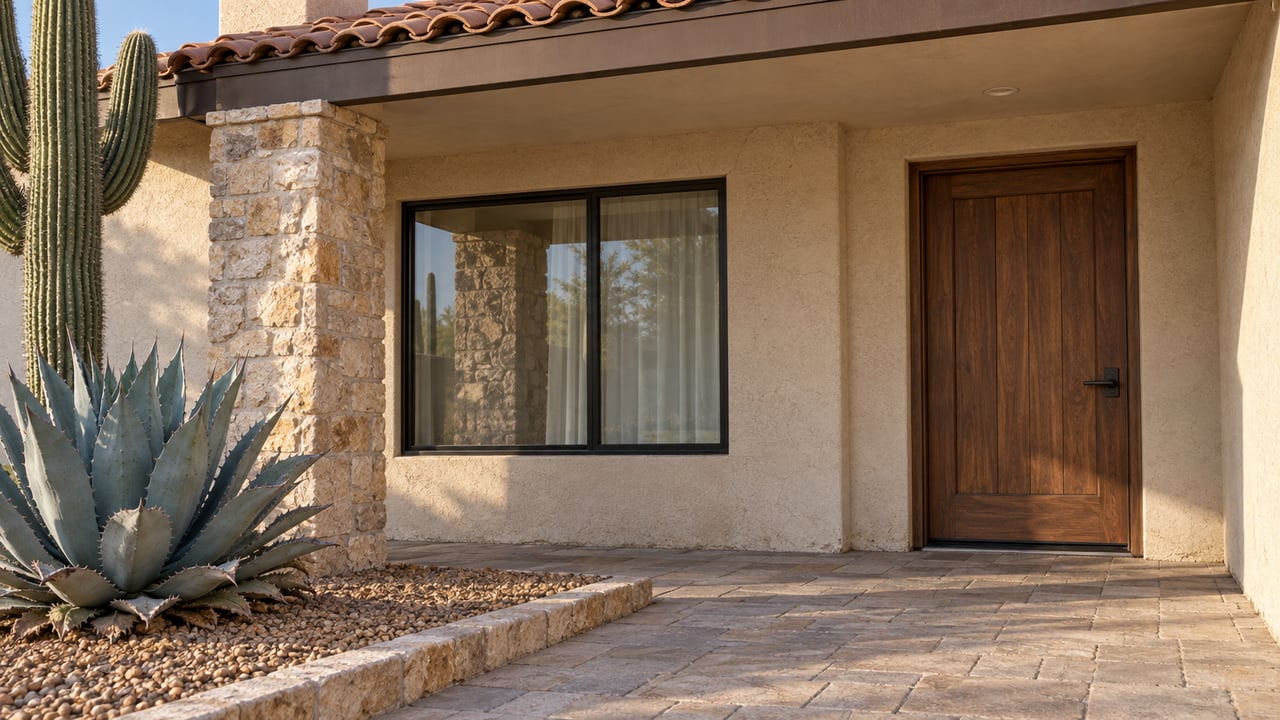
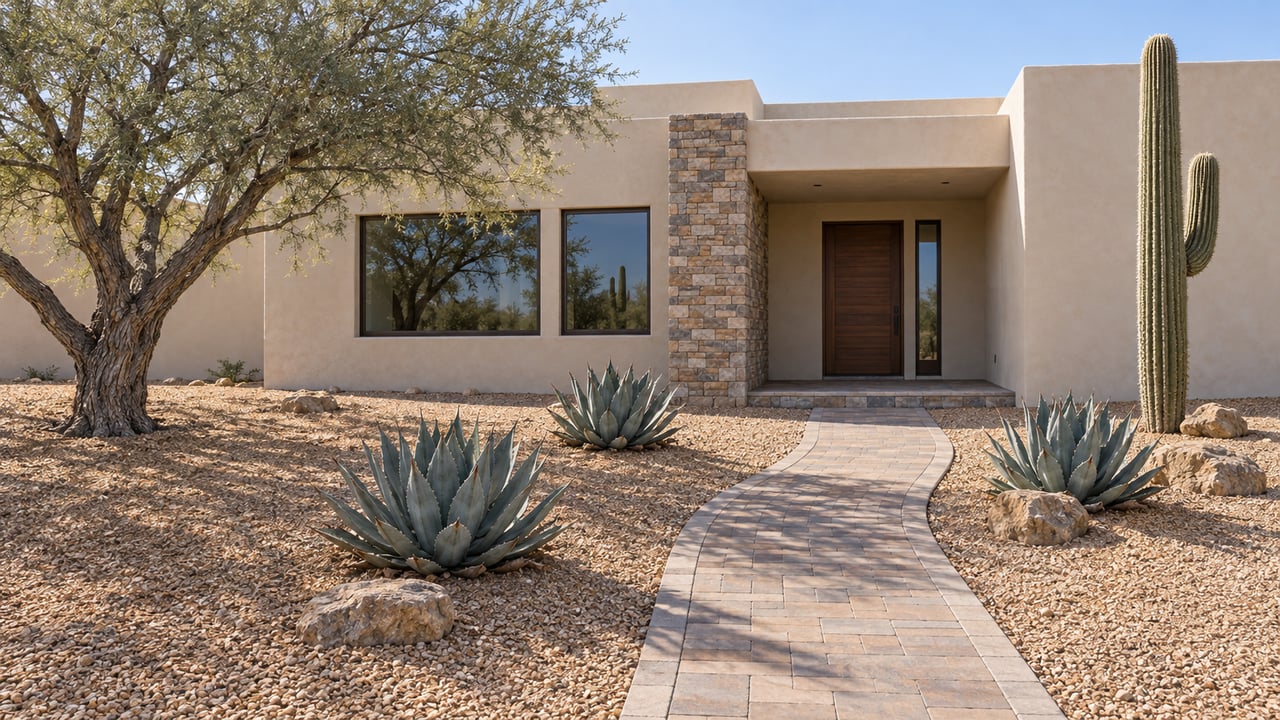
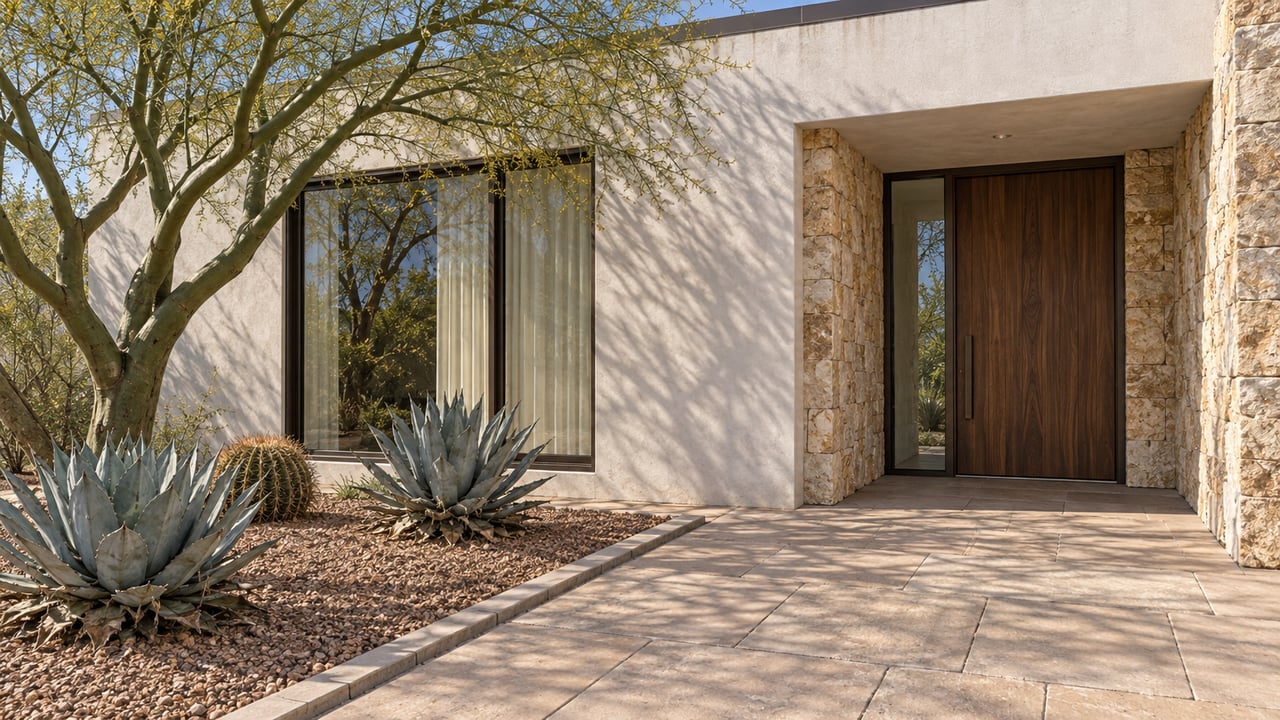
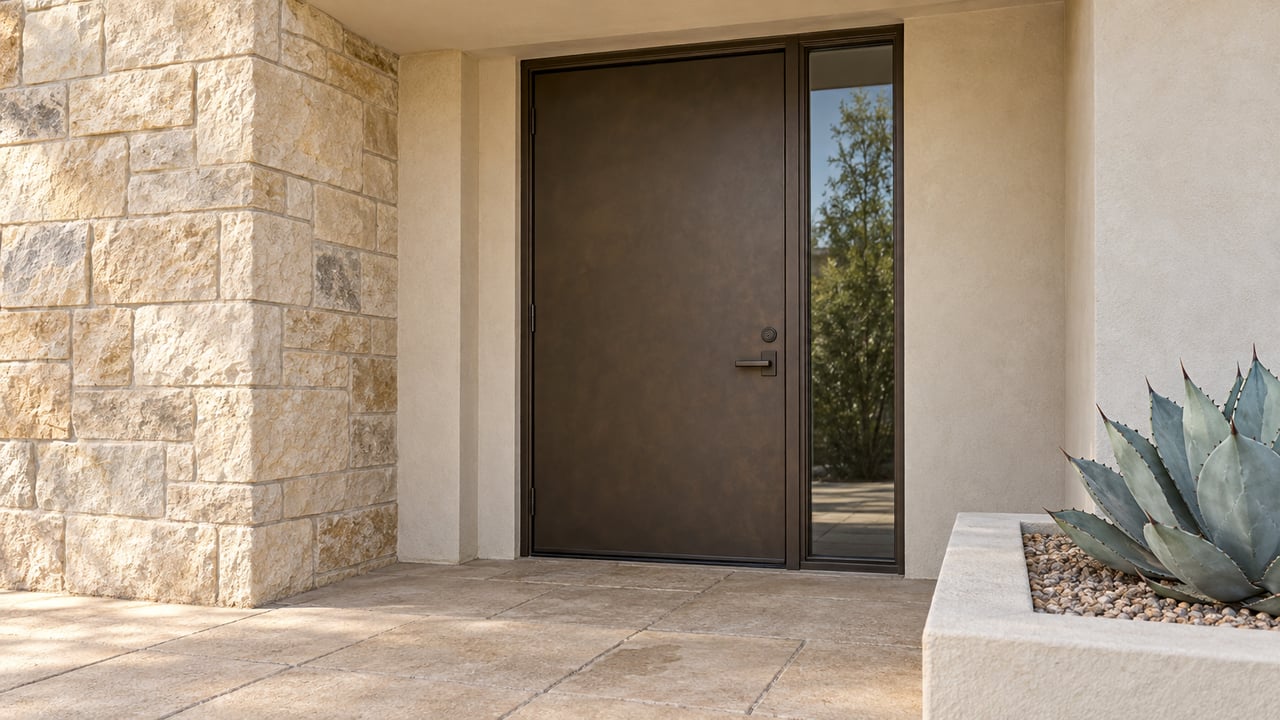
- Improve curb appeal with basic exterior cleanup
- Gather warranties, repair receipts, and appliance information
- Secure valuables and make a plan for pets during showings
On showing days, small details matter too. Clearing counters, wiping fingerprints, neutralizing odors, opening window treatments, and turning on all lights can help your home feel brighter and more inviting both online and in person.
Do you need to remodel?
In most cases, no. National Association of Realtors seller guidance does not suggest that cosmetic updates are required before listing.
A better approach is to prioritize anything that makes a buyer hesitate. If a repair is obvious, a maintenance issue is visible, or a room feels crowded and distracting, it is usually worth addressing before your home goes live.
Why photo-ready matters more than ever
Most buyers will see your home online before they ever step through the front door. That is why preparation should be finished before the listing is activated, not after.
According to NAR, 81% of buyers rated listing photos as the most useful feature in their online search. NAR’s 2025 staging survey also found that 83% of buyers’ agents said staging made it easier for buyers to visualize a home.
Prioritize the rooms buyers notice most
If you are deciding where to focus your time and budget, start with the spaces that shape first impressions. NAR reports that the most commonly staged rooms are the living room, primary bedroom, and dining room.
That does not mean every home needs full professional staging. It does mean those rooms should feel open, clean, and easy to understand in photos, because strong early presentation can help drive stronger early interest.
Should you get a pre-sale inspection?
A pre-sale inspection is not required, but it can be a smart move if your goal is fewer surprises once buyers start touring the home. NAR says a pre-sale inspection can identify issues involving the structure, exterior, roof, plumbing, electrical, HVAC, ventilation, insulation, fireplace, and some health-related concerns.
If a problem exists, it is often easier to decide how to handle it before you are under contract. You may choose to repair it, disclose it, price with it in mind, or simply prepare for negotiation with better information.
Organize disclosures and documents early
Preparation is not only about appearance. It is also about paperwork, accuracy, and making the transaction easier once a buyer is interested.
Arizona guidance says sellers still have a disclosure obligation even if buyer and seller agree that no SPDS will be provided. The safest approach is to disclose known material issues early and organize inspection findings, repair invoices, and warranty documents before listing.
Check HOA details if they apply
If your home is in an HOA or planned community, review the governing documents carefully. Arizona Department of Real Estate guidance notes that these documents can include rules related to landscaping, RV parking, play equipment, satellite antennas, and other common property-use issues.
Some HOAs also charge fees when a property is sold. For resale homes in condos or planned communities, HOA disclosure rules apply, and the responsibility can differ depending on the size of the community.
Verify permits for major work
If you have completed additions or major repairs, it is wise to verify the work against City of Peoria permit records and keep documentation ready. This can be especially helpful if a buyer’s inspector raises questions about past improvements.
Having records organized in advance can reduce uncertainty and keep contract timelines moving more smoothly.
Know when lead-based paint rules apply
If your home was built before 1978, federal lead-based paint disclosure paperwork applies. This is one of those details that is easy to miss if you wait until the last minute, so it is worth confirming early in your prep process.
The value of local guidance
Because Peoria pricing, pace, and community rules can vary so much by neighborhood, local guidance matters. The best strategy is rarely a one-size-fits-all formula.
A seller in a higher-priced North Peoria community may need a different pricing conversation, prep plan, and buyer-positioning strategy than a seller in a more affordable part of the city. When your pricing is grounded in recent local comps and your preparation removes common points of friction, you put yourself in a much stronger position for a smooth sale.
Selling your home is a big move, but it does not have to feel overwhelming. With the right plan, clear expectations, and careful attention to both pricing and preparation, you can launch with more confidence and fewer surprises. If you are thinking about selling in Peoria, Tiffany Burks can help you create a smart, local strategy from pricing through closing.
FAQs
How should I price my home in Peoria, AZ?
- The best starting point is recent sold comps in your specific neighborhood or subdivision, adjusted for square footage, lot size, condition, upgrades, and community differences.
Do Peoria homes need remodeling before listing?
- Usually no. A smoother sale often comes from fixing obvious defects, cleaning thoroughly, decluttering, and making the home photo-ready rather than taking on a full renovation.
Should I get a pre-sale inspection for my Peoria home?
- It is optional, but it can help you identify issues with the roof, structure, plumbing, electrical, HVAC, and other systems before buyers do.
What documents should sellers gather before listing a home in Peoria?
- It helps to organize repair invoices, warranties, appliance information, inspection records, HOA documents if applicable, and any permit records for additions or major repairs.
Do HOA rules matter when selling a home in Peoria, AZ?
- Yes. HOA or planned community rules can affect property details and there may also be resale disclosure requirements or fees connected to the sale.
Are Peoria buyers sensitive to overpricing?
- Yes. Current market data suggests homes are generally selling close to list price, so an accurate initial price is usually more effective than starting high and reducing later.